
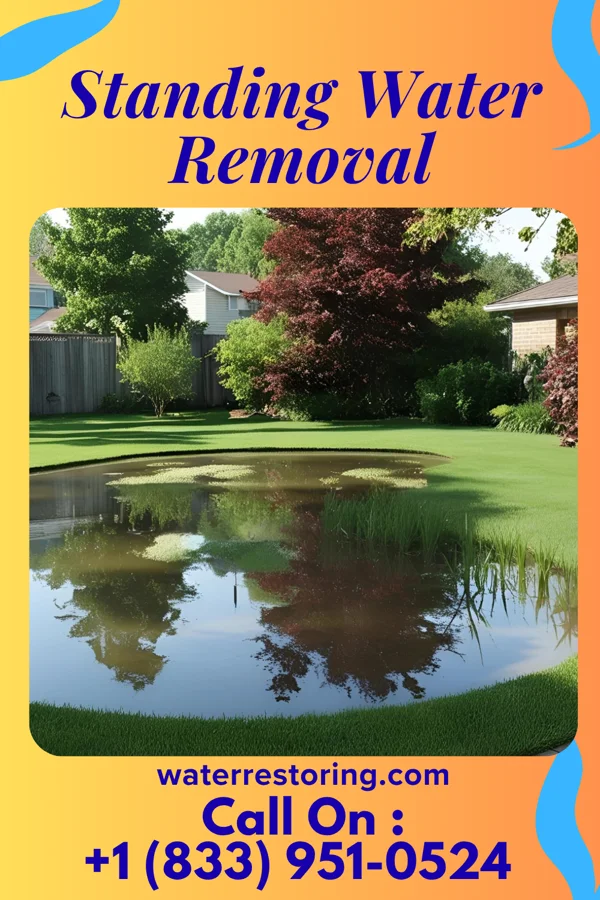
Standing Water Across Delta Junction Neighborhoods
Every neighborhood in Delta Junction has a different water damage risk profile. The one that shows up on most restoration calls is In Delta Junction, Alaska, the primary water damage cause is often due to sudden thawing of permafrost, which can lead to unexpected flooding and water infiltration in homes and infrastructure. Additionally, heavy snowmelt during spring can overwhelm drainage systems, causing water to pool around properties.. A close second is Secondary causes include burst pipes from freezing temperatures, roof leaks due to harsh weather conditions, and inadequate drainage in rural areas. These issues are common in the region's cold and variable climate..
Delta Junction experiences extreme cold and significant seasonal temperature fluctuations, increasing the risk of frozen pipes and subsequent water damage. The region's remote location also means delayed emergency responses, emphasizing the need for immediate water damage restoration.
Water damage in Delta Junction follows a few local patterns. In Delta Junction, Alaska, the primary water damage cause is often due to sudden thawing of permafrost, which can lead to unexpected flooding and water infiltration in homes and infrastructure. Additionally, heavy snowmelt during spring can overwhelm drainage systems, causing water to pool around properties. accounts for the bulk of our calls. Delta Junction experiences extreme cold and significant seasonal temperature fluctuations, increasing the risk of frozen pipes and subsequent water damage. The region's remote location also means delayed emergency responses, emphasizing the need for immediate water damage restoration. Mold can develop quickly in Delta Junction's damp and cold environment, especially in homes with poor insulation or inadequate ventilation. Prompt action is critical to prevent long-term health and structural issues.
For public guidance on the health effects of mold after prolonged water exposure, see the EPA mold and health page.